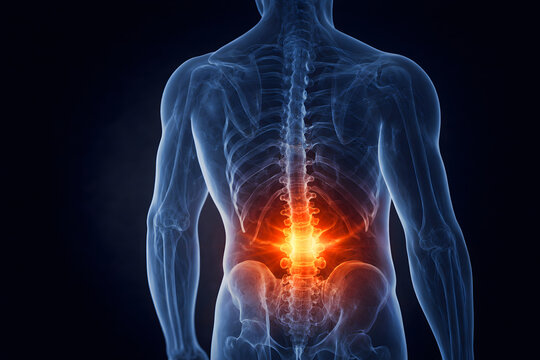
Stop Ignoring Shoulder Pain: Early Treatment Can Prevent Long-Term Problems

Shoulder pain is increasingly common among working professionals in the Colombo area , often due to activities performed in improper position, repetitive activities, gym-related strain or sometimes without a clearly identifiable cause.

Many people ignore shoulder discomfort until it starts affecting daily activities like dressing, lifting, working, or even sleeping.

At Physio Medicare, a trusted physiotherapy clinic in Dehiwala, our physiotherapists frequently treat office workers, gym-goers, athletes, manual workers and elderly people experiencing shoulder pain related to posture, overuse, and injury.

Common Causes of Shoulder Pain

  • Rotator cuff injuries
  • Shoulder impingement syndrome
  • Frozen shoulder (adhesive capsulitis)
  • Muscle strain or ligament injury
  • Poor posture (especially desk workers)
  • Repetitive overhead activities

In fast-paced urban settings like Colombo, long working hours and sedentary habits significantly contribute to shoulder problems.

Who Is More Likely to Experience Shoulder Pain?

Shoulder pain is more common among:

  • Office workers
  • Gym-goers and athletes
  • Manual laborers
  • Drivers
  • Students
  • People working from home
  • Elderly individuals

At Physio Medicare, we regularly manage patients from these groups seeking shoulder pain treatment in Dehiwala and Colombo.

Symptoms You Shouldn’t Ignore

  • Pain when lifting or reaching overhead
  • Shoulder stiffness or reducedrange of movement
  • Weakness in the arm
  • Pain at night (especially when lying on the affected side)
  • Clicking or catching sensation

How Physiotherapy Helps Shoulder Pain ?

At Physio Medicare in Dehiwala, we provide evidence-based shoulder pain treatment in Colombo and surrounding areas, including:

  • Pain relief modalities
  • Manual therapytechniques
  • Rotator cuff strengthening programs
  • Scapular stabilization exercises
  • Postural correction and ergonomic advice

When Should You Seek Physiotherapy for Shoulder Pain?

You should seek professional assessment if:

  • Pain lasts more than 1–2 weeks
  • You have difficulty lifting your arm
  • Pain worsens with activity
  • Shoulder stiffness is increasing
  • Pain affects sleep or daily work
  • You feel weakness or instability

Early intervention can prevent chronic conditions like frozen shoulder.

Exercises are prescribed based on individual assessment.

Physiotherapy offers:

  • Non-surgical treatment
  • Long-term pain relief
  • Improved strength and mobility
  • Prevention of recurrence

Our Expertise in Physiotherapy Care

With strong clinical experience in physiotherapy and rehabilitation in Sri Lanka, Physio Medicare focuses on evidence-based treatment approaches tailored to each patient.

We don’t just treat symptoms — we address the root cause to restore full function and prevent future injury.

Frequently Asked Questions About Shoulder Pain

  • Can physiotherapy help shoulder pain?

Yes, physiotherapy helps reduce pain, improve mobility, strengthen muscles, and restore normal shoulder function.

  • How many physiotherapy sessions are needed for shoulder pain?

This depends on the severity. Mild cases may improve within a few sessions, while conditions like frozen shoulder may require longer rehabilitation.

  • Is exercise good for shoulder pain?

Yes, specific exercises can improve strength and flexibility, but they should be guided by a physiotherapist.

  • Can poor posture cause shoulder pain?

Yes. Poor posture, especially during desk work, can place excessive strain on shoulder muscles and joints.

Get Professional Shoulder Pain Treatment in Dehiwala

If you are experiencing persistent shoulder pain, stiffness, or difficulty with movement, the team at Physio Medicare can help assess the root cause and guide you through a personalized physiotherapy treatment plan focused on long-term recovery and movement improvement.


Wrist Pain While Typing or Lifting? Here’s What You Need to Know

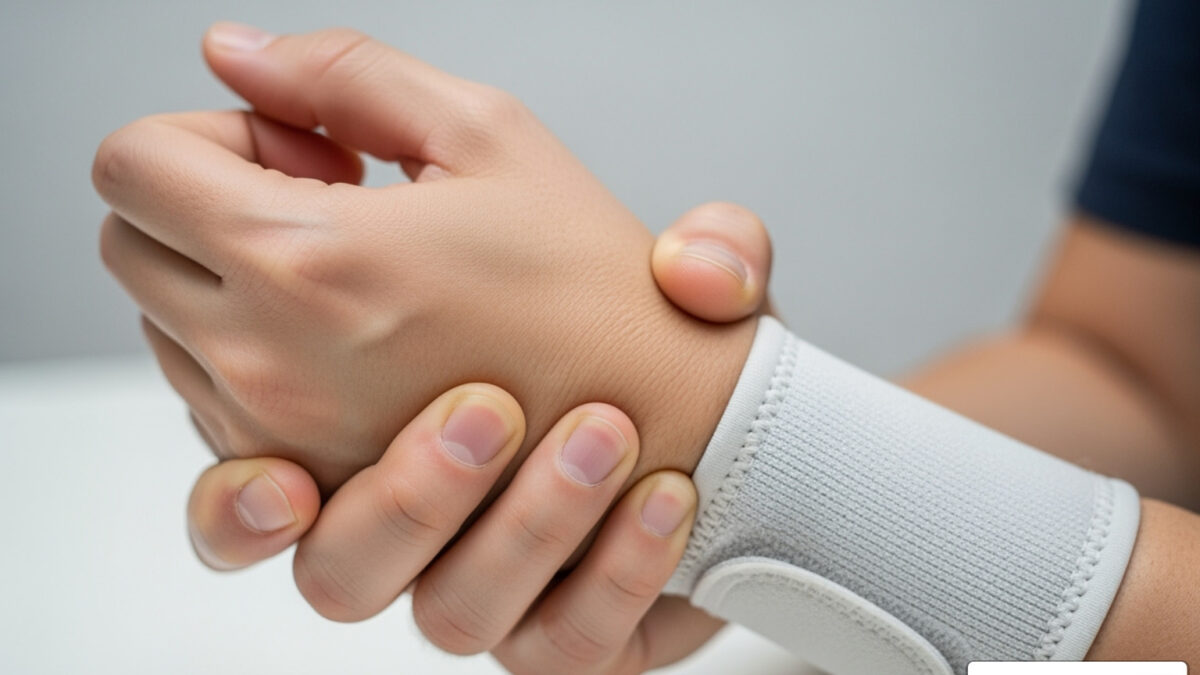
Wrist pain is a common joint and muscle problem affecting many people in Colombo, Dehiwala, and across Sri Lanka. Many individuals experience pain, stiffness, weakness, or discomfort in the wrist during typing, lifting, gripping, exercising, playing sports, or performing daily activities. Wrist pain can develop due to repetitive movements, overuse injuries, muscle strain, poor posture, sports injuries, or age-related joint conditions. Understanding the causes and treatment options for wrist pain can help prevent long-term joint problems and improve hand function.

Why Does Wrist Pain Come?

  • Repetitive hand and wrist movements, especially in office workers, students, gamers, and manual workers
    • Tendinitis caused by overuse of wrist and forearm muscles
    • Carpal tunnel syndrome due to nerve compression in the wrist
    • Wrist sprains or ligament injuries from falls or sports activities
    • Muscle strain from lifting heavy objects improperly
    • Joint inflammation or arthritis affecting the wrist
    • Poor posture and prolonged computer or mobile phone use
    • Weakness in forearm, wrist, or hand muscles
    • Sports-related injuries from cricket, badminton, tennis, or weightlifting
    • Repetitive stress injuries from typing or computer work
    • Previous wrist injuries increasing long-term risk

What Are the Common Symptoms?

  • Pain while gripping, lifting, typing, or carrying objects
    • Wrist stiffness or reduced movement
    • Weak grip strength
    • Pain spreading into the hand or forearm
    • Tingling or numbness in the fingers
    • Swelling or mild inflammation around the wrist
    • Difficulty bending or rotating the wrist
    • Burning or aching sensation around the joint
    • Increased pain during repetitive activities

How Can We Prevent Wrist Pain?

  • Physiotherapy and strengthening exercises
    • Taking regular breaks during repetitive work
    • Maintaining proper posture while working
    • Stretching before and after sports or exercise
    • Using correct lifting techniques
    • Improving wrist and forearm strength
    • Avoiding excessive repetitive strain
    • Using ergonomic keyboards, mouse support, or wrist braces when needed

Does Physiotherapy Help Wrist Pain?

Physiotherapy is one of the most effective treatments for wrist pain and overuse injuries.

Treatment may include:
• Strengthening exercises for wrist, hand, and forearm muscles
• Stretching and flexibility training
• Manual therapy and soft tissue release
• Dry needling techniques
• Posture and ergonomic correction
• Taping or wrist support techniques
• Joint mobilization exercises
• Functional rehabilitation and movement retraining

Physiotherapy helps reduce pain, improve flexibility, restore strength, and prevent recurrence of wrist problems.

When Should You Seek Help?

If you experience persistent wrist pain, weakness, stiffness, tingling, or difficulty using your hand during daily activities, consult a qualified physiotherapist or doctor for proper assessment and treatment. Early intervention can help prevent chronic wrist problems and improve long-term joint health.


Elbow Pain While Lifting or Gripping? Here’s What It Means

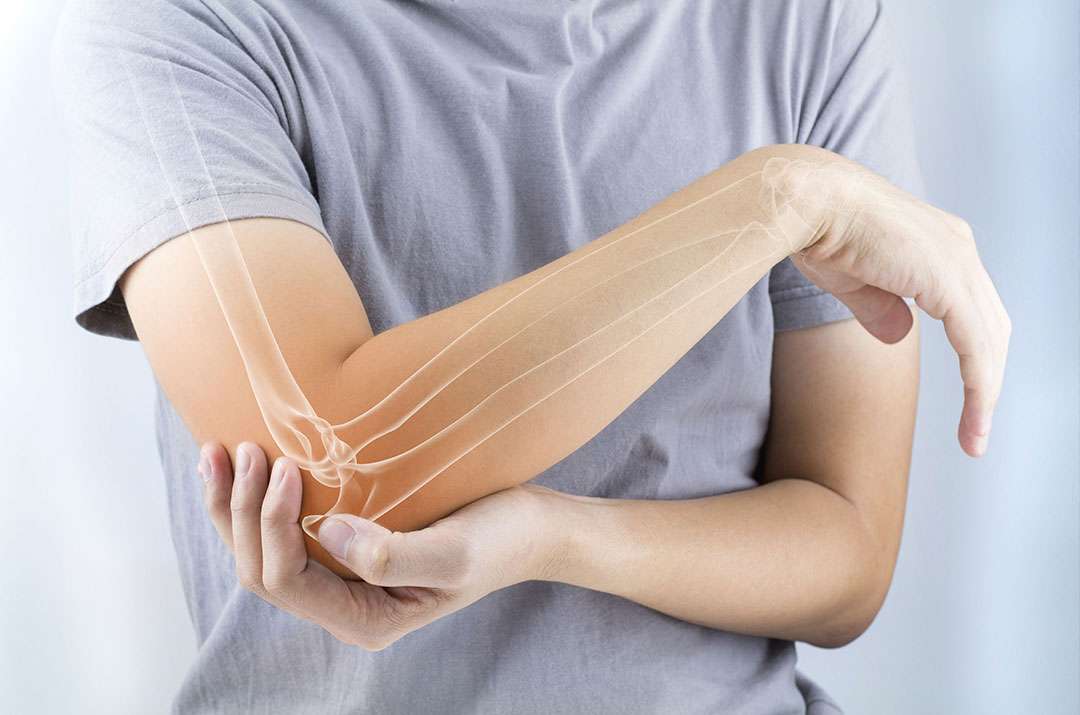
Elbow pain is a common joint and muscle problem affecting many people in Colombo, Dehiwala, and across Sri Lanka. Many individuals experience pain, stiffness, weakness, or discomfort in the elbow during lifting, gripping, typing, exercising, playing sports, or performing daily activities. Elbow pain can develop due to overuse, repetitive movements, sports injuries, muscle strain, poor posture, or age-related joint conditions. Understanding the causes and treatment options for elbow pain can help prevent long-term joint problems and improve arm function.

Why Does Elbow Pain Come?

  • Repetitive arm and wrist movements, especially in office workers, athletes, gym users, and manual workers
    • Tennis elbow (lateral epicondylitis) caused by overuse of forearm muscles
    • Golfer’s elbow (medial epicondylitis) affecting the inner side of the elbow
    • Muscle strain from lifting heavy objects improperly
    • Joint inflammation or arthritis affecting the elbow
    • Poor posture and prolonged computer use
    • Weakness in forearm, wrist, or shoulder muscles
    • Sports-related injuries from cricket, badminton, tennis, or weightlifting
    • Nerve irritation or compression around the elbow
    • Previous elbow injuries increasing long-term risk
    • Tendinitis due to repetitive stress and overuse

What Are the Common Symptoms?

  • Pain while lifting, gripping, or carrying objects
    • Elbow stiffness or reduced movement
    • Weak grip strength
    • Pain spreading into the forearm or wrist
    • Tenderness around the elbow joint
    • Swelling or mild inflammation
    • Difficulty straightening or bending the arm
    • Burning or aching sensation around the elbow
    • Increased pain during repetitive activities

How Can We Prevent Elbow Pain?

  • Physiotherapy and strengthening exercises
    • Taking regular breaks during repetitive work
    • Maintaining proper posture while working
    • Stretching before and after sports or exercise
    • Using correct lifting techniques
    • Improving wrist and forearm strength
    • Avoiding excessive repetitive strain
    • Using ergonomic support when working on computers

Does Physiotherapy Help Elbow Pain?

Physiotherapy is one of the most effective treatments for elbow pain and overuse injuries.

Treatment may include:

  • Strengthening exercises for forearm, wrist, and shoulder muscles
    • Stretching and flexibility training
    • Manual therapy and soft tissue release
    • Dry needling techniques
    • Posture and ergonomic correction
    • Taping or elbow support techniques
    • Joint mobilization exercises
    • Functional rehabilitation and movement retraining

Physiotherapy helps reduce pain, improve flexibility, restore strength, and prevent recurrence of elbow problems.

When Should You Seek Help?

If you experience persistent elbow pain, weakness, stiffness, or difficulty using your arm during daily activities, consult a qualified physiotherapist or doctor for proper assessment and treatment. Early intervention can help prevent chronic elbow problems and improve long-term joint health.


Tailbone Pain: Why It Hurts When Sitting and What You Can Do About It

Do you feel pain at the bottom of your spine when sitting, standing up, driving, or after sitting for a long time? Many people search online using terms like “tailbone pain when sitting,” “pain near butt bone,” “pain at the end of spine,” “lower back pain while sitting,” or “tailbone pain after falling.” Tailbone pain is a very common condition affecting office workers, students, drivers, gym-goers, mothers after childbirth, and people with prolonged sitting habits.

In busy cities like Colombo and Dehiwala, long working hours, desk jobs, commuting, and sedentary lifestyles are increasingly contributing to posture-related pain and spinal discomfort. At Physio Medicare, physiotherapists commonly treat individuals experiencing tailbone pain related to prolonged sitting, poor posture, muscle tightness, injury, and movement dysfunction.

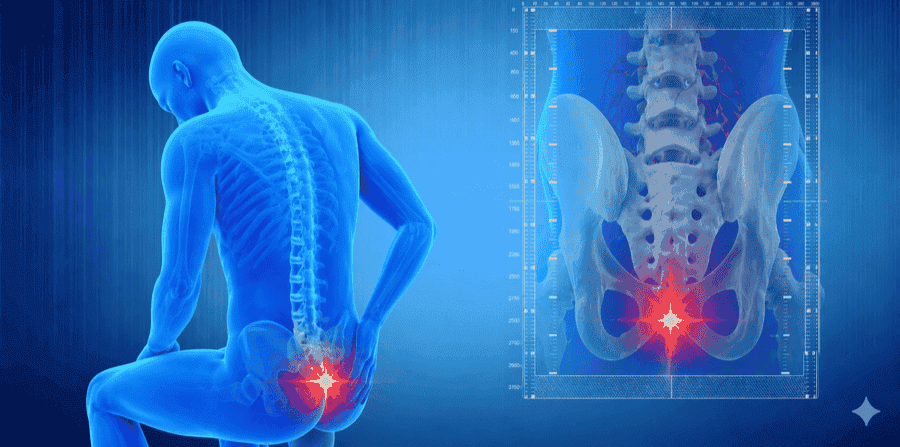
Tailbone pain usually occurs around the small bone at the end of the spine, known as the coccyx. The pain may develop after a fall, injury, gym workout, cycling, prolonged sitting, pregnancy, childbirth, or poor sitting posture. Some people experience a dull ache, while others feel sharp pain when getting up from a chair or sitting on hard surfaces.

Many people normalize daily pain until it begins affecting sleep, work performance, travel, exercise, and overall quality of life. Early assessment and proper management can help prevent long-term discomfort and recurring pain episodes.

Common Symptoms of Tailbone Pain

People commonly search for symptoms such as:

  • Pain when sitting for a long time
  • Pain while getting up from a chair
  • Pain at the bottom of the spine
  • Buttock pain while driving
  • Tailbone pain during pregnancy
  • Pain after slipping or falling
  • Lower back and tailbone discomfort
  • Pain while sitting on hard surfaces
  • Sharp pain near the tailbone
  • Pain after long office work
  • Tailbone pain after gym exercises

What Causes Tailbone Pain?

Tailbone pain can happen for several reasons. Common causes include:

  • Falls or direct injury to the tailbone
  • Prolonged sitting on hard chairs
  • Poor posture while working or studying
  • Long driving hours
  • Cycling-related pressure on the coccyx
  • Pregnancy and childbirth-related strain
  • Muscle tightness around the hips and pelvis
  • Repetitive stress from gym workouts
  • Weak core and pelvic muscles
  • Sudden increase in sitting time

In many cases, poor posture and prolonged sitting increase pressure on the coccyx and surrounding muscles, leading to irritation and inflammation.

Who Is More Likely to Experience Tailbone Pain?

Tailbone pain can affect anyone, but it is more common among:

  • Office workers
  • Students
  • Drivers
  • People working from home
  • Gym-goers
  • Cyclists
  • Pregnant and postpartum mothers
  • Elderly individuals
  • People with sedentary lifestyles
  • Individuals recovering from falls or injuries

At Physio Medicare, many patients from Colombo and Dehiwala seek physiotherapy for posture-related tailbone pain caused by prolonged sitting and poor movement habits.

How Can You Relieve Tailbone Pain Naturally?

Simple lifestyle and posture changes may help reduce pain and improve comfort:

  • Sit with proper posture
  • Avoid slouching while sitting
  • Use a soft cushion or coccyx cushion
  • Avoid sitting continuously for long periods
  • Take standing and walking breaks regularly
  • Stretch the lower back, hips, and pelvic muscles
  • Improve workstation ergonomics
  • Avoid sitting on hard surfaces
  • Maintain regular movement and exercise

Gentle movement and posture correction are often important parts of recovery.

How Does Physiotherapy Help Tailbone Pain?

Physiotherapy can help improve pain, posture, movement, and muscle balance without depending only on medication. Treatment approaches may include:

  • Posture correction
  • Soft tissue release and manual therapy
  • Mobility and stretching exercises
  • Core strengthening exercises
  • Pelvic stability exercises
  • Ergonomic advice for sitting and work setups
  • Movement retraining
  • Pain management techniques

With evidence-based physiotherapy and rehabilitation experience in Sri Lanka, Physio Medicare focuses on individualized treatment plans designed to improve movement quality, reduce pain, and support long-term recovery.

When Should You See a Physiotherapist for Tailbone Pain?

You should seek professional assessment if:

  • Pain lasts more than 1–2 weeks
  • Sitting becomes difficult
  • Pain keeps returning
  • Pain becomes severe after a fall or injury
  • You experience numbness or tingling
  • Pain affects sleep or work performance
  • Standing up from a chair becomes painful
  • Daily activities become uncomfortable

Early treatment can help prevent chronic pain and improve recovery outcomes.

Frequently Asked Questions About Tailbone Pain

Why does my tailbone hurt when sitting?

Tailbone pain while sitting is commonly caused by prolonged pressure on the coccyx, poor posture, muscle tightness, injury, or prolonged sitting on hard surfaces.

Can physiotherapy help tailbone pain?

Yes. Physiotherapy can help reduce pain, improve mobility, correct posture, strengthen supporting muscles, and improve movement patterns contributing to tailbone discomfort.

How long does tailbone pain last?

Recovery time depends on the cause and severity of the condition. Mild cases may improve within weeks, while chronic pain may require longer rehabilitation and posture correction.

Is walking good for tailbone pain?

Gentle walking and regular movement are often helpful because prolonged sitting can worsen pressure around the tailbone area.

Can poor posture cause tailbone pain?

Yes. Poor posture and prolonged sitting can increase stress on the tailbone and surrounding muscles, leading to pain and discomfort.

Why does my tailbone hurt after pregnancy?

Pregnancy and childbirth can place stress on the pelvic region and coccyx, which may contribute to tailbone pain during the postpartum period.

What is the best treatment for tailbone pain?

Treatment depends on the underlying cause. Physiotherapy, posture correction, movement modification, stretching, strengthening, and ergonomic adjustments are commonly recommended.

Tailbone Pain and Daily Life

Many people ignore tailbone pain initially, especially when symptoms are mild. However, continuing poor posture, long sitting hours, and lack of movement can worsen the condition over time. Tailbone pain can eventually interfere with work, exercise, travel, driving, sleep, and daily comfort.

Understanding the cause early and taking proper care can help you return to comfortable sitting, working, and daily activities faster.

Get Professional Tailbone Pain Treatment in Dehiwala

If you are experiencing persistent tailbone pain, discomfort while sitting, posture-related pain, or lower back stiffness, the team at Physio Medicare can help assess the root cause and guide you through a personalized physiotherapy treatment plan focused on long-term recovery, posture improvement, and better movement.

You may also benefit from learning more about posture correction, ergonomics, sports injury rehabilitation, lower back pain management, and workplace physiotherapy support available through Physio Medicare.

Morning Joint Stiffness? It Could Be Rheumatoid Arthritis

Rheumatoid arthritis is a long-term inflammatory condition that affects the joints, causing pain, swelling, stiffness, and difficulty with daily movements. Unlike age-related joint wear and tear, rheumatoid arthritis occurs when the immune system mistakenly attacks the lining of the joints, leading to inflammation and progressive joint damage if not properly managed.

Many people in Sri Lanka experience symptoms such as swollen joints, morning stiffness, hand pain, finger stiffness, wrist pain, fatigue, and difficulty walking without realizing that these may be signs of rheumatoid arthritis. Early diagnosis and proper treatment are important to help control symptoms and maintain joint function.

At Physio Medicare, we help individuals with rheumatoid arthritis manage pain, stiffness, reduced mobility, muscle weakness, and functional difficulties through personalized physiotherapy rehabilitation programs.

Common Symptoms of Rheumatoid Arthritis

People with rheumatoid arthritis may experience:

  • Joint pain and swelling
  • Morning stiffness lasting longer than 30 minutes
  • Warm or tender joints
  • Pain in the fingers and wrists
  • Difficulty gripping objects
  • Fatigue and reduced energy levels
  • Difficulty walking or climbing stairs
  • Reduced joint mobility
  • Muscle weakness around affected joints

Symptoms may gradually worsen over time and can affect daily activities, work performance, sleep quality, and overall quality of life.

Commonly Affected Areas

Rheumatoid arthritis commonly affects the:

  • Fingers
  • Wrists
  • Knees
  • Ankles
  • Feet
  • Shoulders
  • Elbows

The condition often affects the same joints on both sides of the body.

What Causes Rheumatoid Arthritis?

The exact cause of rheumatoid arthritis is not fully understood, but several factors may increase the risk of developing the condition, including:

  • Autoimmune system dysfunction
  • Family history
  • Smoking
  • Stress
  • Hormonal factors
  • Obesity
  • Physical inactivity

Although rheumatoid arthritis can affect people of any age, it is more commonly seen in adults and middle-aged individuals.

When Should You Visit a Physiotherapist?

You should consider visiting a physiotherapist if:

  • Joint pain and stiffness persist
  • Morning stiffness lasts for a prolonged period
  • Swollen joints interfere with daily activities
  • Walking or hand movements become difficult
  • Fatigue and weakness reduce mobility
  • Pain affects sleep or work performance

Early physiotherapy intervention may help reduce pain, maintain joint mobility, improve muscle strength, and support better long-term function.


How Physiotherapy Helps Rheumatoid Arthritis

Physiotherapy plays an important role in helping individuals remain active and maintain independence. Treatment may include:

  • Gentle mobility exercises
  • Joint protection strategies
  • Muscle strengthening programs
  • Stretching exercises
  • Pain management techniques
  • Posture correction
  • Balance and movement training
  • Home exercise guidance

The goal of physiotherapy is to reduce pain, improve mobility, support joint function, and enhance overall quality of life.

At Physio Medicare, we provide evidence-based physiotherapy treatment plans tailored to each patient’s condition, symptoms, and lifestyle needs.

Is rheumatoid arthritis a permanent condition?

Rheumatoid arthritis is a long-term condition, but proper treatment and lifestyle management can help control symptoms effectively.

Can rheumatoid arthritis affect younger adults?

Yes. Rheumatoid arthritis can affect individuals of different age groups, including younger adults.

Can physiotherapy help rheumatoid arthritis?

Yes. Physiotherapy may help reduce stiffness, improve mobility, strengthen muscles, and support daily function.

Final Message

Many people ignore persistent joint swelling, stiffness, and pain until these symptoms begin affecting mobility and daily activities. Early management is important to help protect the joints and maintain long-term function.

If you are experiencing ongoing joint pain, swelling, stiffness, or movement difficulties, Physio Medicare can help with personalized physiotherapy assessments and rehabilitation programs designed to reduce pain, improve mobility, and support a better quality of life.

Back Pain Relief: Causes, Symptoms & Physiotherapy Treatment

Back pain is one of the most common musculoskeletal problems affecting people worldwide, and it is increasingly seen among working professionals in Colombo, Dehiwala, and across Sri Lanka. Long hours of desk work, commuting, poor posture, and sedentary lifestyles are major contributing factors.

Whether caused by poor posture, prolonged sitting, heavy lifting, stress, or lack of exercise, lower back pain can significantly affect daily activities, sleep quality, work performance, and overall quality of life. Many individuals ignore early symptoms until the pain becomes severe or chronic.

At Physio Medicare, we regularly treat office workers, drivers, students, gym-goers, and elderly individuals experiencing posture-related and movement-related lower back pain in Dehiwala and surrounding areas.

Common Causes of Back Pain

Several factors can contribute to back pain, including:

  • Poor posture while sitting or standing
  • Prolonged desk work and screen time
  • Long hours of driving or commuting in Colombo traffic
  • Muscle strain or sports injuries
  • Weak core and back muscles
  • Stress and muscle tension
  • Incorrect lifting techniques
  • Lack of physical activity
  • Poor sleeping posture
  • Repetitive movements or overuse injuries

Common Symptoms of Lower Back Pain

Symptoms may vary depending on severity, but commonly include:

  • Lower back stiffness
  • Sharp or dull lower back pain
  • Pain after prolonged sitting or standing
  • Burning sensation in the lower back
  • Tight or stiff back muscles
  • Difficulty bending forward
  • Pain while walking or moving
  • Morning stiffness in the back
  • Pain after gym workouts or lifting
  • Pain radiating into the legs
  • Tingling or numbness in legs
  • Weakness in lower limbs
  • Pain while driving or traveling
  • Difficulty maintaining upright posture
  • Stress-related muscle tightness

If pain radiates to the legs or is associated with numbness or weakness, professional assessment is strongly recommended.

Who Is More Likely to Experience Back Pain?

Back pain is more common in:

  • Office workers in Colombo & Dehiwala
  • Drivers and delivery workers
  • Students with long study hours
  • Gym-goers and athletes
  • Pregnant women
  • Elderly individuals
  • People working from home
  • Individuals with sedentary lifestyles
  • Manual labor workers

When Should You See a Physiotherapist?

You should seek physiotherapy if:

  • Pain lasts more than 1–2 weeks
  • Pain keeps returning frequently
  • Sitting or standing becomes difficult
  • Pain spreads to the legs
  • You experience numbness or tingling
  • Sleep is disturbed due to pain
  • Daily work or activities are affected
  • Pain increases despite rest

Early physiotherapy can prevent acute back pain from becoming chronic.

How Physiotherapy Helps Back Pain

Physiotherapy is a safe and effective treatment approach that focuses on identifying the root cause of pain and restoring normal movement.

At Physio Medicare, treatment may include:

  • Manual therapy
  • Stretching exercises
  • Core strengthening programs
  • Posture correction training
  • Movement re-education
  • Ergonomic and workplace advice
  • Electrotherapy (if required)

Benefits of Physiotherapy

  • Pain reduction
  • Improved mobility and flexibility
  • Better posture and spinal alignment
  • Stronger core and back muscles
  • Reduced muscle stiffness
  • Prevention of recurrence
  • Faster functional recovery

Tips to Prevent Back Pain

Simple lifestyle changes can significantly reduce back pain risk:

  • Maintain correct sitting and standing posture
  • Take frequent breaks from sitting
  • Exercise regularly
  • Strengthen core muscles
  • Use ergonomic chairs and desks
  • Lift objects using proper technique
  • Stretch during work hours
  • Maintain healthy body weight
  • Sleep on a supportive mattress

Frequently Asked Questions About Back Pain

Can physiotherapy help lower back pain?

Yes. Physiotherapy helps reduce pain, improve movement, strengthen muscles, and correct posture-related issues contributing to back pain.

How many physiotherapy sessions are needed for back pain?

It depends on severity and duration. Mild cases may improve in a few sessions, while chronic conditions may require longer rehabilitation.

Is walking good for lower back pain?

Yes, gentle walking can help improve circulation and reduce stiffness, but it depends on individual condition and severity.

Can poor posture cause back pain?

Yes. Poor posture and prolonged sitting significantly increase stress on the spine and surrounding muscles.

Can stress cause back pain?

Yes. Stress can lead to muscle tension, especially in the lower back, neck, and shoulders.

Is my back pain is affected my pregnancy?

Back pain during pregnancy is common, but it should not be ignored if it affects your daily life or becomes severe. Early assessment and proper physiotherapy care can help improve comfort, mobility, and overall well-being during pregnancy

Important Insight

Many people normalize daily back pain until it begins affecting sleep, work performance, travel, and overall quality of life. Early intervention is key to preventing long-term complications.

Get Professional Back Pain Treatment in Dehiwala & Colombo

If you are experiencing persistent back pain, stiffness, or posture-related discomfort, Physio Medicare can help identify the root cause and provide a personalized physiotherapy treatment plan tailored to your condition.

Our goal is to help you recover safely, restore movement, and return to a pain-free lifestyle.


Why choose us?

Best Physiotherapy Clinic in Dehiwala for Back Pain, Sports Injuries & Rehabilitation:

If you are searching for a trusted physiotherapy clinic in Dehiwala, Mount Lavinia, or Colombo South, Physio Medicare
has become a preferred choice for patients looking for professional physiotherapy treatment, rehabilitation, posture correction, and pain management in Sri Lanka.

At Physio Medicare, we focus on more than temporary pain relief. Our goal is to help patients improve movement, reduce pain, recover safely, and return to daily life with better strength, posture, and mobility.

Conditions We Commonly Treat

Many patients visit us for:

Back pain treatment
Neck pain and cervical pain
Knee pain physiotherapy
Sports injury rehabilitation
Sciatica and nerve pain
Frozen shoulder treatment
Stroke rehabilitation
Post-surgery rehabilitation
Posture correction
Scoliosis and spinal problems
Elderly mobility and balance issues
Workplace and ergonomic pain

Whether you are an office worker with long sitting hours, an athlete recovering from injury, or someone struggling with chronic pain, our physiotherapy team creates personalized rehabilitation programs based on your condition and goals.

Why Patients Choose Physio Medicare, Dehiwala
1. Experienced, Qualified SLMC registered Physiotherapists

Our team consists of qualified physiotherapists with experience in musculoskeletal rehabilitation, sports physiotherapy, neurological rehabilitation, elderly care, and posture correction.

2. Personalized Treatment Plans

Every patient is different. We focus on proper assessment, movement analysis, exercise rehabilitation, and long-term recovery instead of only short-term symptom relief.

3. Convenient Location in Dehiwala

Located in Dehiwala, our clinic is easily accessible for patients from: (Off Galle road or off Marine drive in Peter’s Lane)

Mount Lavinia
Wellawatte / Colombo 6
Ratmalana
Colombo 4 / Bambalapitiya
Kalubowila / Attidiya / Kohuwela

4. Modern Rehabilitation Approach

We combine hands-on physiotherapy, exercise therapy, mobility training, strengthening programs, posture education, and rehabilitation-based care to help patients recover safely and effectively.

Physiotherapy Is Not Just for Pain

Many people wait until pain becomes severe before seeking treatment. Early physiotherapy can help prevent long-term complications, improve posture, reduce stiffness, improve mobility, and support better daily function.

If you are searching for:

Best physiotherapy clinic in Dehiwala
Physiotherapist near Mount Lavinia
Back pain treatment Colombo
Sports injury physio Sri Lanka
Posture correction clinic
Stroke rehabilitation near me

Physio Medicare Dehiwala
is here to support your recovery journey.

Contact Physio Medicare

📍 No.04, Peter’s Lane, Dehiwala
📞 +94 777 123 234
🌐 www.physiomedicare.com

Open daily for appointments and rehabilitation consultations. 9am to 6pm.