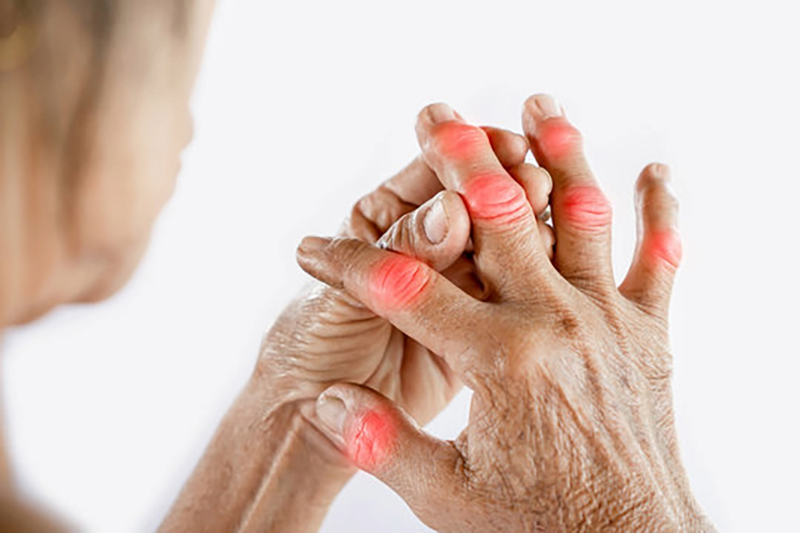
Rheumatoid arthritis is a long-term inflammatory condition that affects the joints, causing pain, swelling, stiffness, and difficulty with daily movements. Unlike age-related joint wear and tear, rheumatoid arthritis occurs when the immune system mistakenly attacks the lining of the joints, leading to inflammation and progressive joint damage if not properly managed.
Many people in Sri Lanka experience symptoms such as swollen joints, morning stiffness, hand pain, finger stiffness, wrist pain, fatigue, and difficulty walking without realizing that these may be signs of rheumatoid arthritis. Early diagnosis and proper treatment are important to help control symptoms and maintain joint function.
At Physio Medicare, we help individuals with rheumatoid arthritis manage pain, stiffness, reduced mobility, muscle weakness, and functional difficulties through personalized physiotherapy rehabilitation programs.
Common Symptoms of Rheumatoid Arthritis
People with rheumatoid arthritis may experience:
- Joint pain and swelling
- Morning stiffness lasting longer than 30 minutes
- Warm or tender joints
- Pain in the fingers and wrists
- Difficulty gripping objects
- Fatigue and reduced energy levels
- Difficulty walking or climbing stairs
- Reduced joint mobility
- Muscle weakness around affected joints
Symptoms may gradually worsen over time and can affect daily activities, work performance, sleep quality, and overall quality of life.
Commonly Affected Areas
Rheumatoid arthritis commonly affects the:
- Fingers
- Wrists
- Knees
- Ankles
- Feet
- Shoulders
- Elbows
The condition often affects the same joints on both sides of the body.
What Causes Rheumatoid Arthritis?
The exact cause of rheumatoid arthritis is not fully understood, but several factors may increase the risk of developing the condition, including:
- Autoimmune system dysfunction
- Family history
- Smoking
- Stress
- Hormonal factors
- Obesity
- Physical inactivity
Although rheumatoid arthritis can affect people of any age, it is more commonly seen in adults and middle-aged individuals.
When Should You Visit a Physiotherapist?
You should consider visiting a physiotherapist if:
- Joint pain and stiffness persist
- Morning stiffness lasts for a prolonged period
- Swollen joints interfere with daily activities
- Walking or hand movements become difficult
- Fatigue and weakness reduce mobility
- Pain affects sleep or work performance
Early physiotherapy intervention may help reduce pain, maintain joint mobility, improve muscle strength, and support better long-term function.
How Physiotherapy Helps Rheumatoid Arthritis
Physiotherapy plays an important role in helping individuals remain active and maintain independence. Treatment may include:
- Gentle mobility exercises
- Joint protection strategies
- Muscle strengthening programs
- Stretching exercises
- Pain management techniques
- Posture correction
- Balance and movement training
- Home exercise guidance
The goal of physiotherapy is to reduce pain, improve mobility, support joint function, and enhance overall quality of life.
At Physio Medicare, we provide evidence-based physiotherapy treatment plans tailored to each patient’s condition, symptoms, and lifestyle needs.
Is rheumatoid arthritis a permanent condition?
Rheumatoid arthritis is a long-term condition, but proper treatment and lifestyle management can help control symptoms effectively.
Can rheumatoid arthritis affect younger adults?
Yes. Rheumatoid arthritis can affect individuals of different age groups, including younger adults.
Can physiotherapy help rheumatoid arthritis?
Yes. Physiotherapy may help reduce stiffness, improve mobility, strengthen muscles, and support daily function.
Final Message
Many people ignore persistent joint swelling, stiffness, and pain until these symptoms begin affecting mobility and daily activities. Early management is important to help protect the joints and maintain long-term function.
If you are experiencing ongoing joint pain, swelling, stiffness, or movement difficulties, Physio Medicare can help with personalized physiotherapy assessments and rehabilitation programs designed to reduce pain, improve mobility, and support a better quality of life.